The Role of Women’s Collectives in Bogor’s Development

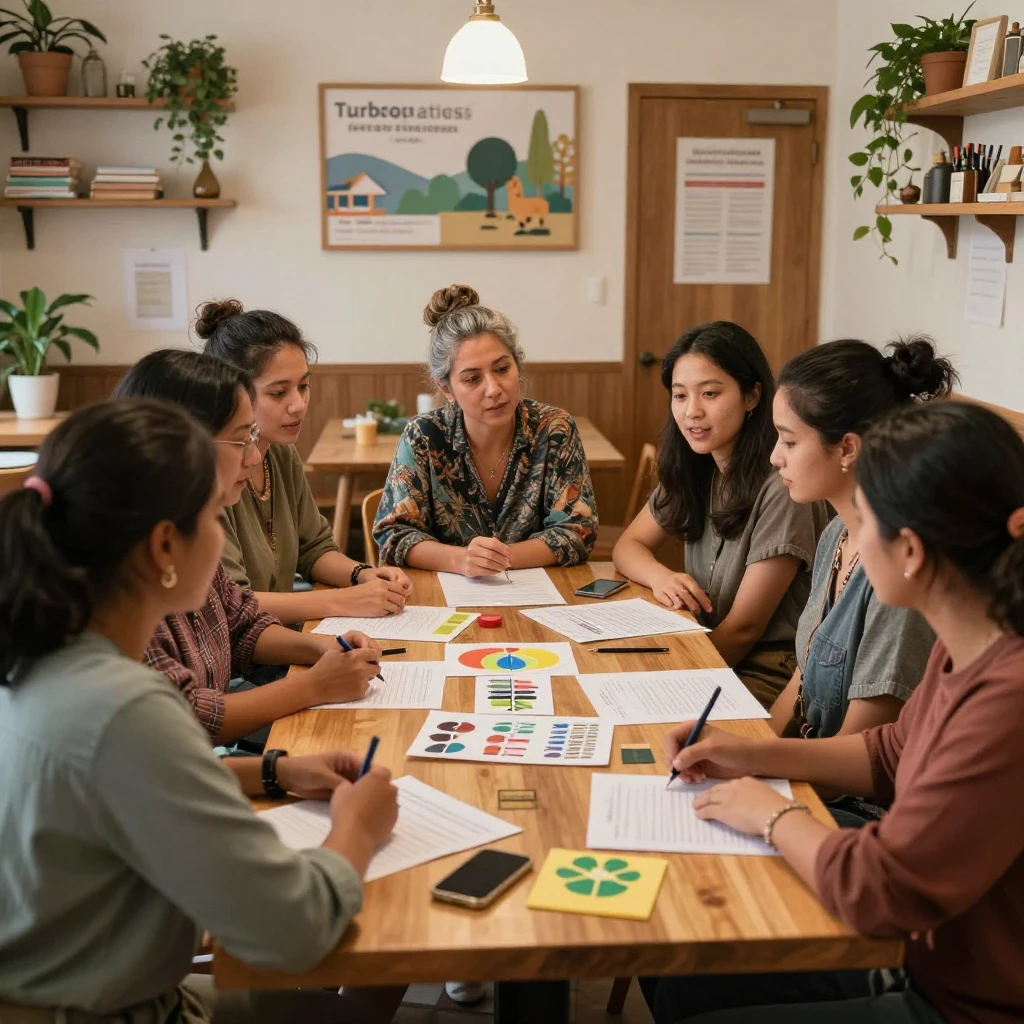
Women’s collectives can help shape development in Bogor from the ground up. By organizing around shared priorities, women build relationships, exchange skills, create livelihood opportunities, and take part in decisions that affect their communities. Their work varies from group to group, reflecting local needs and the time, resources, and experience members can bring.
Understanding these community organizations means recognizing women as decision-makers and partners in development, not simply as recipients of assistance. Their contribution may be visible in a small business initiative, a skills exchange, mutual aid, or a discussion with local institutions. The form differs; the shared capacity to act is what connects these efforts.
What Are Women’s Collectives?
Women’s collectives are groups in which women organize around common interests, needs, or goals. In Bogor, they may take the form of neighborhood associations, savings or enterprise groups, skills circles, advocacy networks, or informal mutual-support groups.
Some collectives meet regularly, set roles, and manage shared activities. Others form around a particular need and work more flexibly. Their structure depends on members’ priorities and circumstances; there is no single model that represents every group in Bogor’s diverse communities.
As community organizations, these groups can connect individual experience with collective action. Members may identify an issue, discuss possible responses, and decide together whether to work independently or collaborate with a school, local association, public service, or nonprofit. **Women’s agency** is central: members help define the agenda, make decisions, and assess whether an activity serves their community.
That distinction matters. A group is not automatically representative of all women in its area. Effective and inclusive collectives make room for different ages, livelihoods, abilities, and viewpoints, while staying accountable to the people whose interests they aim to serve.
How Collective Action Supports Local Development
Collective action supports local development by helping residents pool knowledge, relationships, and effort around shared goals. Women’s collectives can turn concerns that individuals may struggle to address alone into practical, community-led responses.
Members often know the everyday realities behind a local problem: which families need information, what makes a service hard to access, or when a meeting time excludes people with care responsibilities. This knowledge can help community organizations identify workable priorities and communicate them to local partners. A group might, for example, organize a discussion about waste management or coordinate information sharing about available services. These are possible activities, not claims about a specific Bogor organization.
Working together also creates a channel for **local collaboration**. A collective can bring residents into conversation with neighborhood leaders, community organizations, businesses, or public institutions. Partners may contribute a venue, technical advice, or access to information, while members retain a meaningful role in setting priorities.
There are limits. Shared work takes time, and a group may have more ideas than capacity. Development efforts are strongest when goals are chosen with members, responsibilities are clear, and progress is measured in ways the group finds useful, rather than by the number of meetings held.
Economic Empowerment and Livelihoods
Women’s collectives can support economic empowerment by creating opportunities to learn, share resources, and explore ways to earn. Their contribution to livelihood development depends on members’ skills, market conditions, and access to practical support.
Skills training may cover areas such as food preparation, tailoring, digital tools, financial literacy, or business planning, depending on what members request and what is locally relevant. Learning together can make it easier to practise, ask questions, and share experience. A group may also help members compare costs, plan production, or discuss how to reach customers. Training alone, however, does not guarantee income: participants may also need equipment, working capital, reliable buyers, and time to apply what they learn.
Collective activity can strengthen confidence as well as technical ability. Members who contribute ideas, manage a shared task, or present a plan to a partner gain experience that can transfer to other parts of community life. For some, a collective may provide a first step toward a cooperative venture; for others, its greatest value may be peer learning or a wider network.
To keep livelihood initiatives grounded, groups can start with a simple feasibility check: What do members want to produce or offer? Who might buy it? What will materials and transport cost? Who handles the money, and how are decisions recorded? **Clear agreements and transparent accounts** protect trust, especially when the work involves shared funds or equipment.
Social Participation and Community Well-Being
Women’s collectives can strengthen community well-being by widening participation, building mutual support, and bringing local knowledge into problem-solving. Their social contribution may be as important as any economic activity.
Regular meetings give members a space to exchange information and raise concerns. A group might coordinate help for a neighbor, share guidance on navigating services, or discuss a safety or health concern with relevant local partners. These actions can make support easier to find, though a collective cannot replace professional services or public responsibilities.
Participation also includes influence. When women have opportunities to speak in community forums and help shape decisions, local plans can better reflect the needs of people who are often underrepresented. Collectives can prepare members to raise questions, compare proposals, and follow up after a meeting. **Meaningful participation** requires more than an invitation: people need accessible meeting times, understandable information, and a genuine chance to affect decisions.
Trust is built through consistent, respectful relationships. Members may disagree about priorities, and that is normal. Groups that listen across differences and explain how decisions are made are better placed to include residents who might otherwise remain on the margins.
Challenges and Conditions for Lasting Impact
Women’s collectives may face limited resources, time constraints, or difficulty accessing training and institutional support, but these challenges do not apply equally to every group. Their impact depends on local conditions and on whether members can shape support around their priorities.
Care responsibilities and paid work can make regular attendance difficult. Limited funding may restrict transport, materials, or meeting space. Some groups may also find it hard to connect with buyers, technical advisers, or decision-makers. These barriers can slow an initiative or place too much work on a few active members.
Outside support can help, but it can also create problems if a partner sets the agenda, demands reporting that takes time away from the work, or funds an activity that members do not want. Short-term projects may end before a group has the relationships or resources to continue. **Lasting impact depends on ownership**, realistic expectations, and support that strengthens members’ ability to make choices.
Groups and partners can reduce friction by identifying the main constraint before proposing a solution. If meeting attendance is low, for example, ask members whether timing, transport, childcare, or the meeting format is the issue. If an income activity stalls, review costs and customer demand before investing in more training. Small adjustments based on members’ feedback can be more useful than a new program layered onto an already busy group.
How Residents and Partners Can Support Them
Residents and partners can support women’s collectives by listening first, responding to priorities set by members, and offering practical resources without taking over decisions. Respectful collaboration starts with the group’s goals, not an outside assumption about what women need.
For residents interested in getting involved, a useful first step is to ask a trusted neighborhood contact or community organization whether a relevant group welcomes participation. Find out how it operates, what members are working toward, and whether it needs volunteers, information, or a specific skill. Avoid promising help before you know what you can reliably provide.
- Offer a concrete resource: A meeting space, transport support, equipment, or access to a relevant specialist may address a specific barrier.
- Share skills on request: Training in bookkeeping, digital communication, or business planning works best when it matches members’ stated interests.
- Build fair partnerships: Agree on roles, decision-making, costs, and how any income or materials will be handled.
- Make participation accessible: Consider meeting times, language, mobility, and care responsibilities when planning activities.
- Recognize members’ contributions: Credit their knowledge and leadership, and avoid treating unpaid community work as limitless.
Organizations should also close the feedback loop: explain what support is available, what is not, and what happens after a proposal or meeting. **Reliable follow-through** builds more trust than a large promise that cannot be sustained. The strongest partnerships leave the collective with greater skills, stronger relationships, or better access to resources, while keeping leadership with its members.