The Historical Evolution of Community Organizations in Bogor

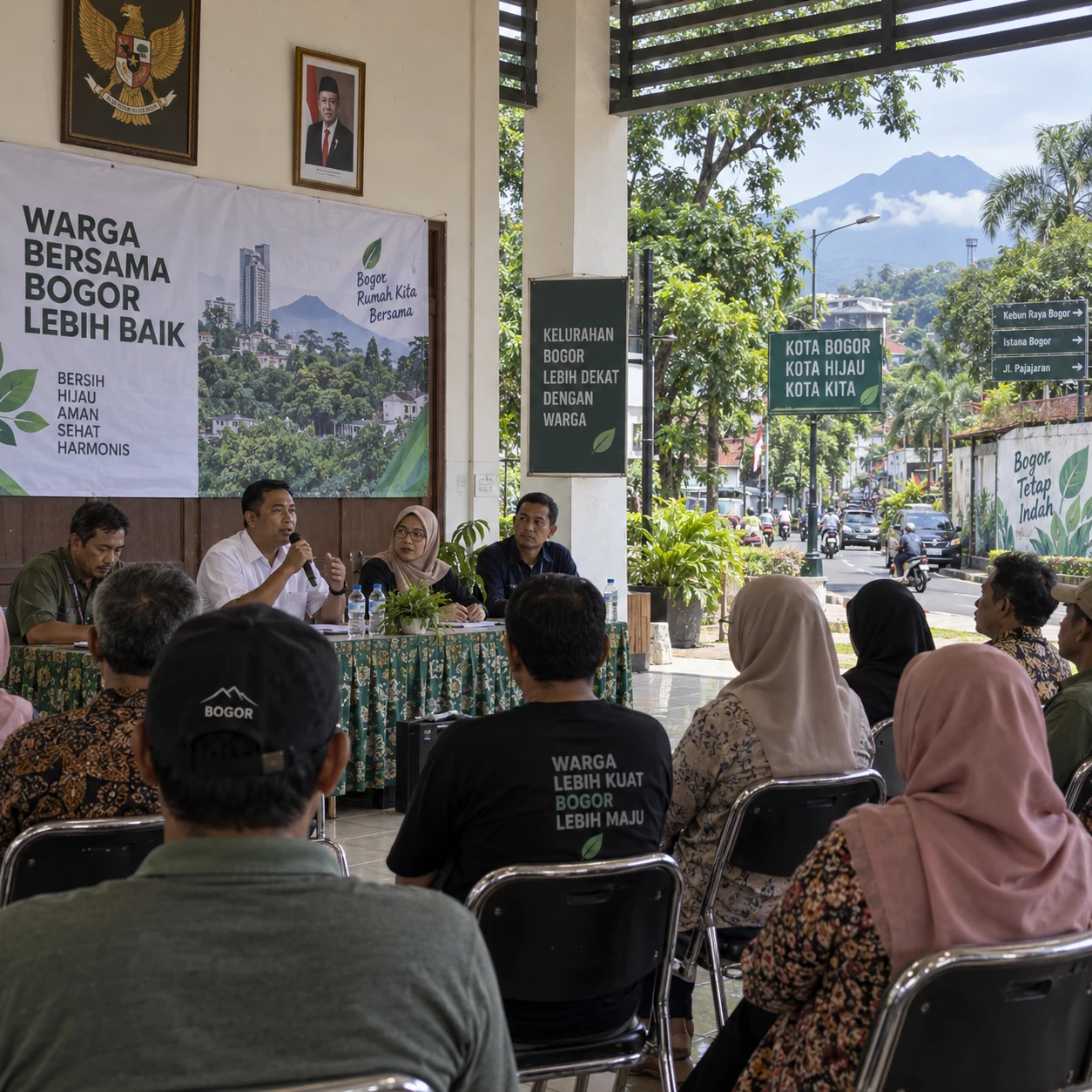
Community organizations in Bogor have developed in response to changing local needs, from everyday cooperation among neighbors to organized efforts around social services, civic participation, livelihoods, and the environment. Their history is best understood not as a single timeline of institutions, but as a continuing relationship between local communities and the challenges they face.
Bogor’s mix of urban neighborhoods, rural areas, and surrounding landscapes has shaped that relationship. Informal networks still matter, even as associations, faith-based groups, youth initiatives, and other organized efforts take on more visible roles. The forms change; the underlying work of connecting people and addressing shared concerns remains.
What Community Organizations Do in Bogor
Community organizations in Bogor bring people together to address shared priorities, provide support, and take part in civic life. Their activities vary by neighborhood and membership, so no single group represents every local need.
Some groups focus on social services, such as helping residents access information or coordinating assistance for families facing hardship. Others organize educational, cultural, religious, environmental, or livelihood activities. Neighborhood associations and informal resident networks may help communicate local concerns, while youth groups can create space for recreation, learning, and leadership.
The defining feature is collective action: people identify a concern and decide how to respond together. That response may be modest, such as coordinating volunteers for a neighborhood clean-up, or ongoing, such as maintaining a regular support network. Organizations can also act as a bridge between local communities and public institutions, helping residents share priorities and understand available services.
It is useful to distinguish a group’s stated purpose from its actual reach. A registered association may have a formal structure but limited participation; an informal group may have no legal status yet be trusted and active. In Bogor, as elsewhere, impact depends on the relationships a group builds, the time and resources available, and whether its work reflects residents’ priorities.
Social and Historical Roots
Community organizations in Bogor grew from social traditions of cooperation and from changing local conditions. Mutual aid, shared religious and cultural life, and practical neighborhood ties gave residents ways to respond to common needs before many initiatives took formal organizational shape.
These roots are connected to local identity: people may organize around a neighborhood, faith community, occupation, school, or shared cultural practice. Cooperation can help with immediate tasks, such as supporting a household in difficulty, while also sustaining relationships that make future collective action possible. The exact forms differ across Bogor’s urban and rural settings.
As settlements and livelihoods changed, so did the concerns that brought people together. Urban growth can increase pressure on housing, services, mobility, and public space. Rural communities may face different questions tied to land, agriculture, access to facilities, or changing employment. These are broad pressures, not a claim that every area or organization experienced the same timeline.
Historical context matters, but it should not be mistaken for a complete record of particular groups. Without verifiable documentation, it would be misleading to assign precise founding dates or claim that one organization type led the way across the city. A more grounded view recognizes the long-standing role of local cooperation while treating specific institutional histories as distinct and evidence-dependent.
From Informal Networks to Organized Groups
Community activity can become more structured when a shared concern calls for regular coordination, clear responsibilities, or sustained resources. In Bogor, as in other places, a neighborhood network may begin with a practical need and gradually develop meetings, leaders, membership, or links to service providers.
The transition often follows a simple sequence: residents identify a problem, gather people with relevant knowledge, agree on a task, and decide how to keep the effort going. If the activity becomes recurring, organizers may set roles, record decisions, collect contributions, or seek partnerships. Formal registration can help a group enter certain arrangements, but it is not the only measure of legitimacy or effectiveness.
Community leadership is central to this process. Effective leaders listen, share responsibility, and make it easier for people with different schedules or resources to participate. A group that relies on one person may move quickly at first but become fragile if that person leaves. Shared leadership takes more time to build, yet it can make an organization more resilient.
Structure brings trade-offs. Written rules and regular reporting can support accountability and continuity, but they also require administrative effort. Informal networks may be flexible and trusted, though they can struggle to access funding or maintain work over time. The right form depends on the group’s purpose, capacity, and relationship with the people it serves.
Changing Roles Through Different Periods
The roles of community organizations in Bogor change as social needs and civic opportunities change. Groups may move between mutual aid, service delivery, cultural activities, and public participation rather than serving one fixed purpose.
When immediate needs dominate, organizations may prioritize practical support: sharing information, coordinating volunteers, or helping residents find assistance. As conditions shift, the same networks can turn toward longer-term concerns such as education, environmental care, neighborhood facilities, or livelihood development. These changes do not happen uniformly, and they need not follow a single citywide chronology.
Organizations also shape civic participation. They can give residents a way to discuss local priorities, raise questions with decision-makers, and take part in community planning. Their role may be collaborative, providing local knowledge to public agencies, or independent, drawing attention to concerns that residents feel are not being addressed. The approach depends on the issue and the group’s capacity.
A group’s evolution is not always a straight path toward greater formality or influence. Some initiatives remain small because they are designed for a limited purpose. Others lose momentum when volunteers face work or family demands. Assessing change means asking what residents need, who participates, and whether the organization can adapt without losing trust.
Contributions to Bogor’s Communities
Community organizations contribute to Bogor by building mutual aid, helping residents connect with services, and creating opportunities to participate in local decisions. Their value often appears in practical, everyday work rather than in a single visible achievement.
Mutual aid can help neighbors share information, time, or material support when a household faces difficulty. Community groups may also make public services easier to navigate by circulating announcements, identifying local concerns, or connecting residents with relevant providers. They do not replace government responsibilities or professional services, but they can help close communication gaps and make local needs more visible.
Organizations can strengthen social ties through cultural events, learning activities, and shared projects. These efforts support local identity by giving residents a way to preserve practices, build relationships across generations, and welcome newcomers into community life. In a growing city, that social connection can be as important as the activity itself.
Contributions differ in reach and reliability. A group may serve a small area well without changing conditions citywide, while a broader initiative may have more visibility but less close contact with residents. Useful signs of impact include regular participation, clear communication, continuity of activities, and whether community members can influence decisions. Counting events alone gives an incomplete picture.
Continuity and New Challenges
Community organizations in Bogor can remain effective by combining the trust of local networks with clear, adaptable ways of working. Their future will depend on how well they respond to changing urban and rural needs while sustaining participation and accountability.
Volunteer time is a persistent constraint. People may support a cause but have limited availability, and a small leadership circle can carry too much responsibility. Groups can reduce this risk by sharing tasks, setting realistic schedules, documenting basic decisions, and inviting new members into meaningful roles. These steps take effort, but they help preserve work when circumstances change.
Organizations also face the challenge of representing diverse communities. Age, income, location, language, and access to technology can affect who hears about meetings and who feels comfortable speaking. A digital group chat may speed up announcements, yet it will not reach everyone. Pairing online communication with face-to-face contact can help, provided organizers consider accessibility and privacy.
For residents assessing a local group, a practical check is to ask three questions: Does it address a need people recognize? Can members influence how it works? Does it have a realistic way to continue? These questions apply whether the organization is informal or registered. Bogor’s community life is strongest when groups make room for local leadership, collaborate where useful, and remain honest about what they can and cannot provide.
Frequently Asked Questions
What is a community organization?
A community organization is a group whose members work together around shared needs, interests, or goals. It may be informal or formally registered, and its activities can include mutual aid, cultural life, services, or civic participation.
Why did community organizations emerge in Bogor?
They emerged from people’s need to cooperate, maintain social ties, and respond to local concerns. Traditions of mutual aid and shared identity interact with changing conditions in both urban neighborhoods and rural communities.
How have their roles changed over time?
Their roles have shifted with local priorities. Groups may provide immediate support at one time and later focus on services, livelihoods, environmental concerns, cultural activities, or communication between residents and institutions.
What impact do they have on local communities today?
Today, community organizations can strengthen mutual aid, connect residents with information and services, support local identity, and create channels for civic participation. Their reach varies, and their effectiveness depends on trust, inclusion, and continuity.