Key Social Issues Addressed by Bogor’s Community Groups

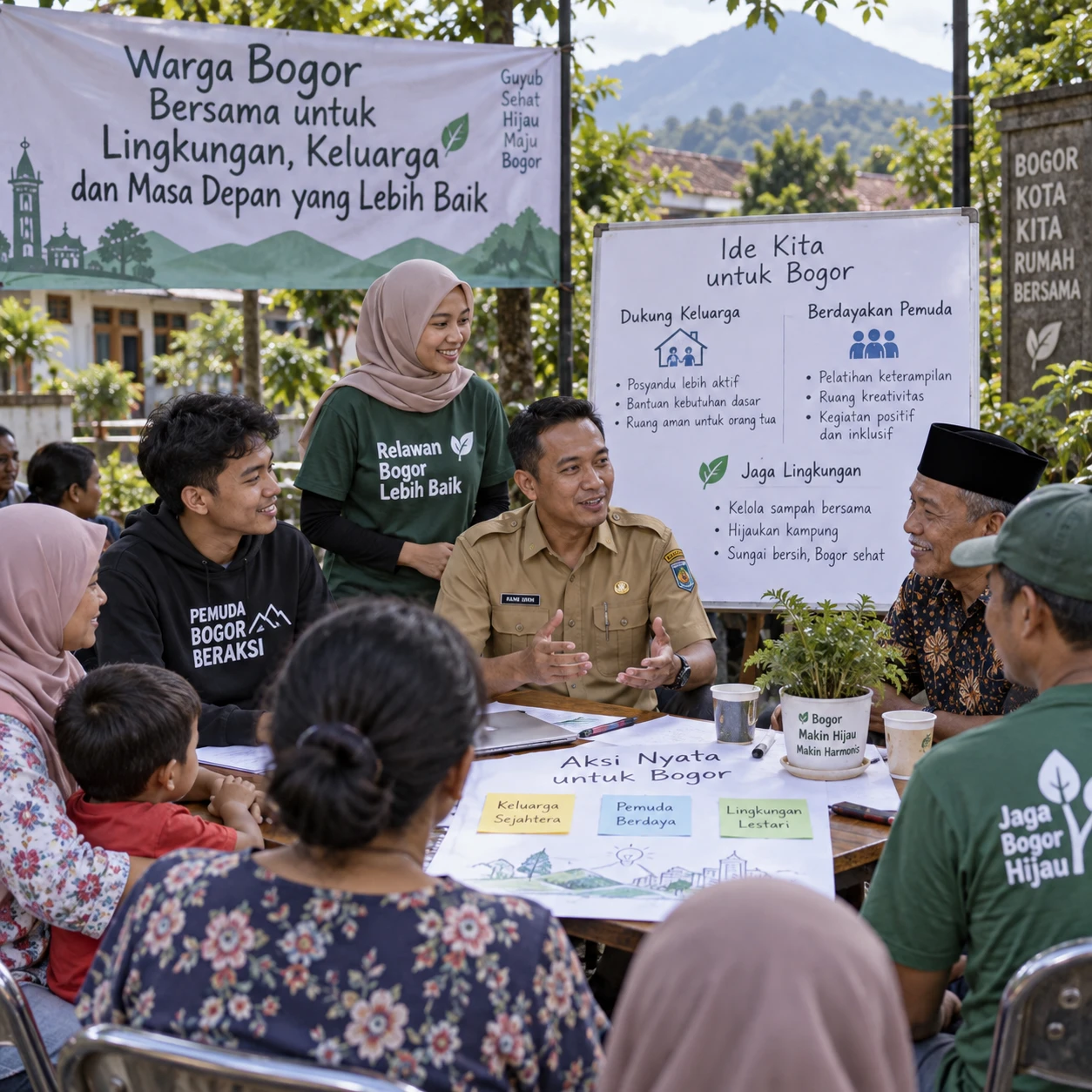
Community groups in Bogor respond to everyday needs that can be difficult for individual residents to address alone. Their work may include helping families access assistance, supporting learning, sharing health information, improving neighborhood spaces, and making local activities more welcoming to people who face barriers.
These organizations vary in size, resources, and purpose. Some are informal resident networks; others are nonprofit organizations, faith-based groups, youth associations, or volunteer initiatives. Their impact often comes from knowing the neighborhood: members can listen, connect people to services, and organize practical help. The specific programs available depend on the group and should be checked directly.
The role of community groups in Bogor
Community groups in Bogor identify local concerns, connect residents with support, and organize responses that fit neighborhood needs. They can complement public services and established institutions, though they do not replace professional or government assistance.
Because members often live or work nearby, they may notice problems that are easy to miss from outside the community: a family struggling to meet basic needs, a student who needs help keeping up, or an older resident who has difficulty reaching services. Groups can gather residents, share reliable information, arrange referrals, or coordinate volunteers. Their role may be direct support, advocacy, education, or simply helping people find the right contact.
Local knowledge is a strength, but capacity has limits. Volunteers may have little funding, time, or specialist training. A responsible organization is clear about what it can provide and refers complex medical, legal, or safety concerns to qualified services. Residents should ask what a group actually offers rather than assume every organization covers every issue.
Poverty and economic hardship
Community groups may help Bogor residents facing poverty and economic hardship through practical support, livelihood activities, and connections to assistance. What is available differs by organization, and eligibility or supplies should be confirmed directly.
Depending on their capacity, local groups may coordinate donations of food or essential goods, share information about assistance programs, or help a household contact relevant services. Some may organize skills-sharing, small business mentoring, job-readiness activities, or community markets. These efforts can ease immediate pressure or help residents explore income opportunities, but they cannot guarantee employment or provide ongoing financial support.
A useful approach is to distinguish between urgent needs and longer-term stability. A family facing an immediate shortage may need a timely referral or essential supplies. Someone seeking more stable income may benefit from training, a professional referral, or information about local opportunities. Community support works best when it respects people’s privacy and avoids publicizing personal hardship without consent.
Education and youth development
Community organizations can support education and youth development by creating learning opportunities, offering mentorship, and giving young people constructive ways to participate. These activities supplement school and family support rather than replace formal education.
Possible efforts include peer study sessions, reading activities, tutoring, access to learning materials, or guidance from adult mentors. Some groups may help young people build communication, teamwork, or practical skills through clubs and community projects. The format matters: a one-off event can introduce a topic, while regular sessions may give participants more time to practise and build trust.
Youth participation should involve young people in choosing activities, not only asking them to attend. Residents can look for clear safeguarding arrangements, suitable supervision, and age-appropriate activities before enrolling a child or volunteering. For young people who are out of school or need specialized support, a community group may help identify referral options, but should not promise services it cannot deliver.
Public health and social well-being
Community groups can promote public health by sharing accessible information, encouraging prevention, and helping residents connect with appropriate care. They can reduce information and navigation barriers, but diagnosis and treatment belong with qualified health professionals.
Outreach might include discussions about hygiene, nutrition, mental well-being, or preventive care, depending on the group’s training and partnerships. Volunteers may share clinic information, help residents understand where to ask questions, or coordinate a visit from a qualified provider. These activities are most useful when information is accurate, presented in plain language, and adapted to the community’s needs.
For a health concern, ask whether the group is providing general education or professional care. Do not rely on unverified advice for urgent symptoms, medication decisions, or mental health crises. Community support can be a valuable first connection, but residents should contact an appropriate health service when clinical assessment is needed. Respect for confidentiality is essential, especially when someone discusses illness, disability, or emotional distress.
Environmental concerns and disaster response
Community groups can address environmental concerns through neighborhood action and help residents prepare for or recover from disasters. Their contribution may include awareness, coordination, and local knowledge, while emergency response still requires contact with the relevant authorities and trained services.
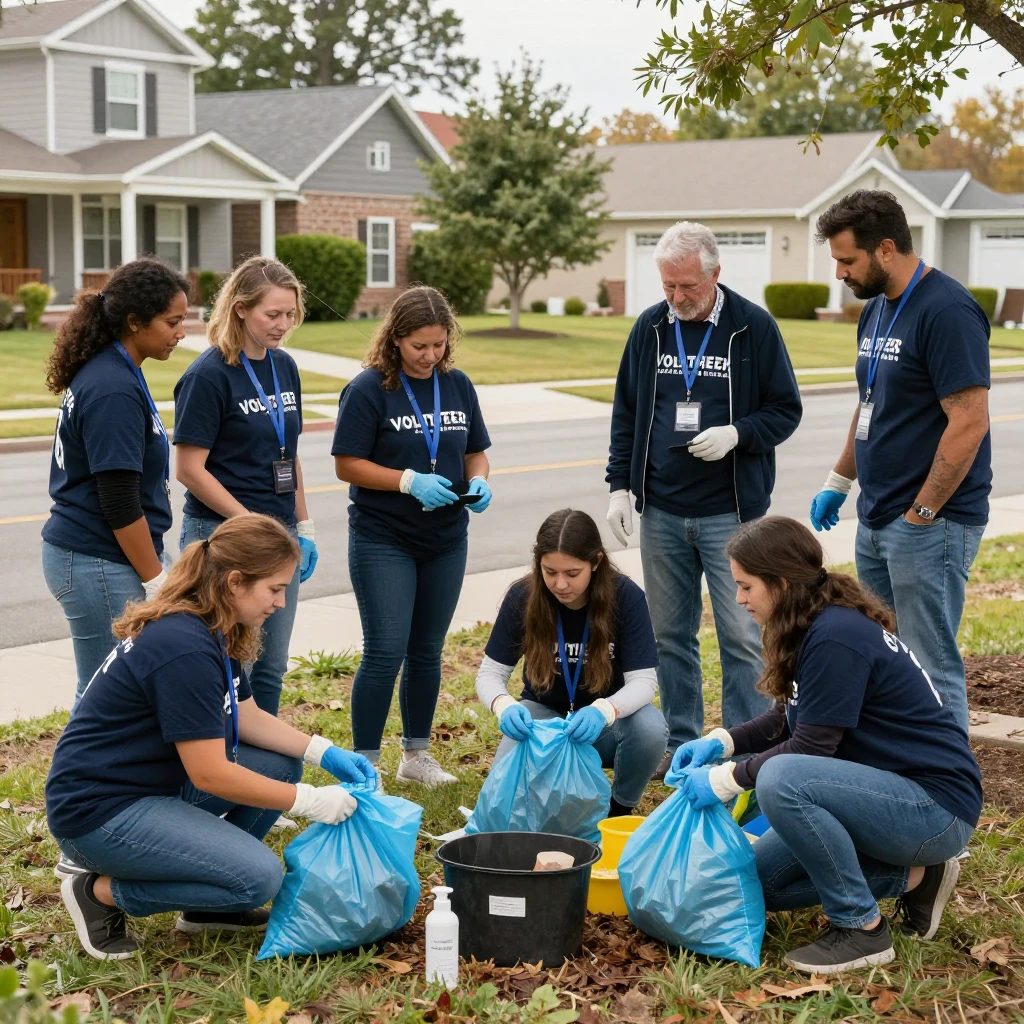
Environmental activities may involve clean-up days, waste-reduction education, tree care, or discussions about keeping shared spaces usable. Such projects can make a visible difference, but lasting results depend on regular participation and practical arrangements for waste collection and maintenance. Before joining a clean-up, check how volunteers should handle sharp objects, contaminated waste, or other hazards.
In disaster preparedness, a neighborhood group may share verified alerts, identify residents who could need help evacuating, or organize basic supplies. During recovery, it may help communicate needs and direct donations. Preparedness is most effective when responsibilities are agreed in advance: who contacts emergency services, where residents should get updates, and how to verify requests for aid. Avoid circulating unconfirmed reports, which can create confusion or expose people to risk.
Inclusion and empowerment
Community groups can advance social inclusion by reducing barriers to participation and supporting people who may be excluded from services or local decision-making. This can include women, people with disabilities, low-income households, older residents, and other groups whose needs are overlooked.
Women’s empowerment activities may provide peer networks, skills-sharing, information, or opportunities to participate in community leadership. Support for people with disabilities might involve improving access to events, sharing service information, or inviting residents to help design activities. The right approach depends on what people themselves identify as useful; a program planned without their input can miss the barrier it aims to address.
Practical inclusion starts with small questions: Is the meeting space accessible? Are schedules workable for caregivers? Can information be understood by people with different literacy levels? Are participants treated with respect and able to raise concerns privately? Meaningful participation gives residents a voice in decisions, not just a place on an attendance list. Groups should also have a safe way to respond to complaints or concerns.
How residents can get involved
Residents can engage with community groups by finding a relevant organization, checking its activities and expectations, and choosing a contribution that fits their time and skills. If seeking support, describe the need clearly and ask what help or referrals the group can offer.
Start with trusted local contacts, such as neighborhood leaders, schools, health facilities, community centers, or established civil society networks. Ask for the organization’s name, current contact details, focus area, and meeting or service schedule. If possible, speak with a current participant and confirm that any public information is up to date.
- Volunteer: Offer a defined skill or a realistic number of hours, such as helping at an event, tutoring, translating, or coordinating supplies.
- Participate: Attend a public meeting or activity first to understand the group’s approach and whether it matches your interests.
- Share resources carefully: Donate only items the group has requested, and ask how cash or goods are recorded and distributed.
- Seek support: Explain the issue and ask about eligibility, privacy, timing, and referrals. For emergencies or specialist needs, contact the appropriate professional or public service.
A good match depends on trust and fit, not the size of an organization. Look for clear communication, respectful treatment, realistic promises, and sensible safeguards for children and vulnerable adults. Community groups are not interchangeable, but residents who ask careful questions can find the right point of connection and help local efforts respond to real needs.