How Youth-Led Organizations Are Shaping Bogor’s Future

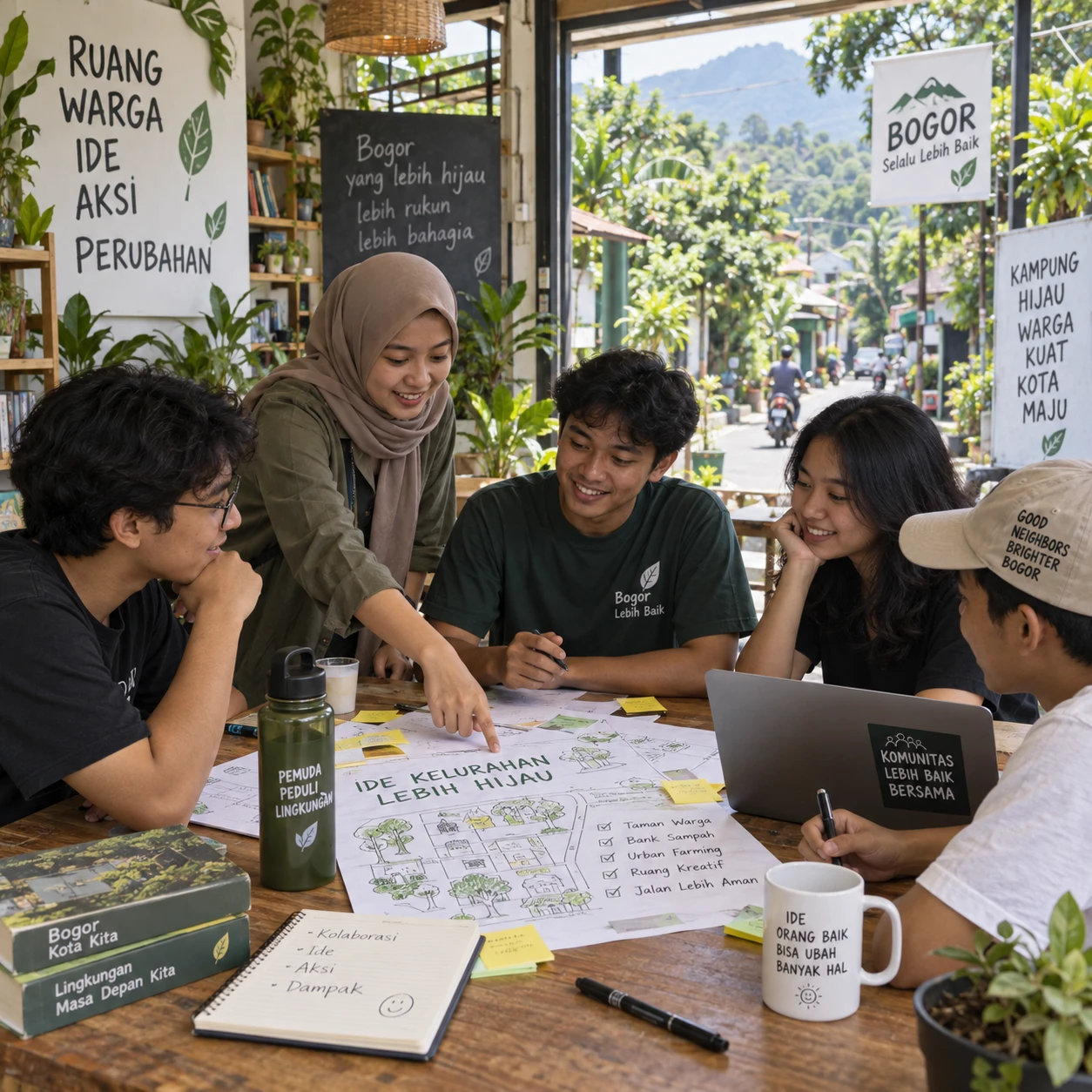
Youth-led organizations can help shape Bogor’s future by connecting residents with local projects, practical skills, and opportunities to take part in civic life. Their work may address environmental concerns, education, or community welfare, depending on the needs and priorities of each neighborhood.
Bogor is not one uniform community: conditions and priorities can differ between urban neighborhoods and areas around the city. That makes locally led action valuable. Young organizers often bring energy and fresh perspectives, while residents contribute knowledge of what will work and what a community actually needs.
Why youth-led organizations matter in Bogor
Youth-led organizations matter in Bogor because they create ways for young people and residents to participate in community development. They can turn a shared concern into a practical project, bringing neighbors, volunteers, and local partners together around a defined goal.
Participation also helps young people learn how decisions are made and how local services affect daily life. A group might organize a neighborhood discussion, coordinate a volunteer activity, or gather residents’ views before proposing a project. These steps support civic engagement by giving people a role beyond simply receiving information or assistance.
Youth leadership is most useful when it complements, rather than replaces, the work of residents, schools, community groups, and public institutions. Young organizers may have time and peer networks to mobilize volunteers; older residents may know the history of a local issue and which approaches have already been tried. Combining those strengths can make a project more relevant and easier to sustain.
There is no single model for a youth-led organization. Some groups may be formal associations, while others organize around a specific campaign or volunteer project. What matters is whether local people have a meaningful say in the purpose, activities, and follow-through.
The issues young organizers are responding to
Youth organizers respond to the needs they hear about locally, which may include education, environmental care, or community welfare. Priorities vary by neighborhood, and no single group should be expected to address every issue facing Bogor communities.
Environmental initiatives can include activities such as neighborhood cleanups, waste-sorting education, or efforts to care for shared green spaces. These projects are most effective when organizers identify a specific problem with residents and agree on a realistic next step. A cleanup, for example, may raise awareness, but keeping a site cleaner over time can require coordination with nearby households and relevant local services.
Education and skills development are other possible areas of work. Young volunteers might support learning activities, peer mentoring, digital literacy, or career-readiness sessions. A useful program starts with learners’ needs, not assumptions about what they lack. Organizers should also be clear about their qualifications and seek experienced educators or partner organizations when a project involves specialized instruction.
Community welfare initiatives may focus on sharing useful information, connecting residents with services, or organizing mutual-aid activities. In each case, listening first helps groups avoid duplicating existing efforts. A short conversation with residents or a local community contact can reveal whether the need is real, who is already responding, and what kind of support would be welcome.
How youth initiatives create community impact
Youth initiatives create community impact by pairing a clear local need with consistent action and resident involvement. A project can deliver a practical service while building relationships and skills among the people who take part.
Consider a group concerned about litter around a shared area. Before organizing a volunteer day, its members could ask residents where the problem is worst, check what disposal options are available, and agree on who will coordinate afterward. The activity may improve the space for a time; the consultation and follow-up can help residents decide whether a longer-term solution is feasible.
Projects can also build skills through real responsibilities. Planning an event gives young volunteers experience with budgeting, communication, logistics, and teamwork. A participant who interviews residents practices listening and note-taking; a coordinator learns to delegate and manage uncertainty. These are concrete forms of youth leadership, developed through practice rather than a title alone.
Impact should be judged against the project’s actual purpose. A small initiative may be valuable because it creates a safe place to learn, helps neighbors share information, or builds a dependable volunteer team. Simple records—such as attendance, activities completed, resident feedback, and next steps—help organizers understand what worked without overstating results.
What makes youth leadership effective
Effective youth leadership is inclusive, collaborative, and sustained enough to earn community trust. Strong ideas matter, but listening, shared responsibility, and reliable follow-through determine whether a project fits local priorities.
Inclusive participation means making room for young people with different schedules, abilities, backgrounds, and levels of confidence. Meetings can use clear language, offer more than one way to contribute, and avoid giving all decisions to the most outspoken members. It is also important to ask who is missing from the conversation and whether the project is accessible to the people it intends to serve.
Local collaboration strengthens the work. Youth groups can coordinate with residents, schools, community organizations, and relevant public offices, depending on the project. A partnership should have a clear purpose: for example, one party might provide a venue while another recruits volunteers. Clarity prevents confusion about responsibilities and avoids promising support that has not been agreed.
Sustained involvement does not mean every volunteer must commit indefinitely. It means designing work that can survive changes in school, employment, or family schedules. Shared documentation, more than one person trained for key tasks, and realistic project timelines make handovers easier. Good leadership builds continuity rather than relying on one charismatic organizer.
Challenges and opportunities for youth-led groups
Youth-led groups often face limits on time, funding, experience, and continuity, but practical partnerships can help them work around those barriers. The right support strengthens a group’s capacity without taking away young people’s voice.
Volunteers may balance organizing with study, work, and family responsibilities. Funding can also be uncertain, while a promising project may require permissions, specialist knowledge, or equipment that a new group does not have. These constraints do not make youth-led work ineffective; they do make careful planning essential.
Common mistakes are avoidable:
- Starting with a solution before listening. Organizers may be eager to act, but a project can miss the real need. Speak with affected residents first and adjust the plan based on what they say.
- Taking on too much at once. A long list of goals can exhaust volunteers. Choose one achievable outcome, test it, and expand only when the group has the capacity.
- Depending on one person. When a single organizer holds all the contacts and records, a busy period can stall the project. Share responsibilities and keep basic notes that another volunteer can use.
- Measuring activity as if it proves lasting change. Attendance or items collected show what happened on a given day, not necessarily long-term improvement. Record those figures, then seek feedback and check what follow-up is possible.
Residents, institutions, and partner organizations can help by offering a meeting space, mentoring, technical advice, small grants, or access to relevant networks. Support is most useful when expectations are transparent and young organizers help set priorities. The trade-off is real: additional oversight can improve safety and accountability, but too much control can make a youth initiative feel imposed rather than locally led.
How to get involved or offer support
You can support youth-led efforts in Bogor by joining a suitable project, sharing a specific skill, or helping a group connect with resources. Start with the local issue and the time you can realistically contribute.
If you are a young person interested in joining, ask community contacts, schools, neighborhood groups, or local volunteer networks whether a project is active. Before committing, find out what the group is trying to achieve, who it serves, what volunteers do, and how much time the role requires. A short, clear commitment is more useful than an ambitious promise that is difficult to keep.
Residents can contribute local knowledge, feedback, or participation. Businesses and institutions may offer space, supplies, professional advice, or introductions to potential partners. If providing money or equipment, ask how the group will use and account for it; practical support should match a stated need rather than create extra work.
Organizers can make participation easier by sharing a concise project description, contact method, schedule, and volunteer roles. They should also explain how feedback is handled and what the project cannot provide. Clear expectations protect both volunteers and residents, and make it easier for people to decide how they can help.
Whether the contribution is an hour of volunteering, a venue for a workshop, or advice on planning, the most constructive support respects community priorities and young people’s leadership. Small, dependable contributions can help local initiatives learn, adapt, and continue.