A Profile of Bogor’s Most Influential Community Leaders

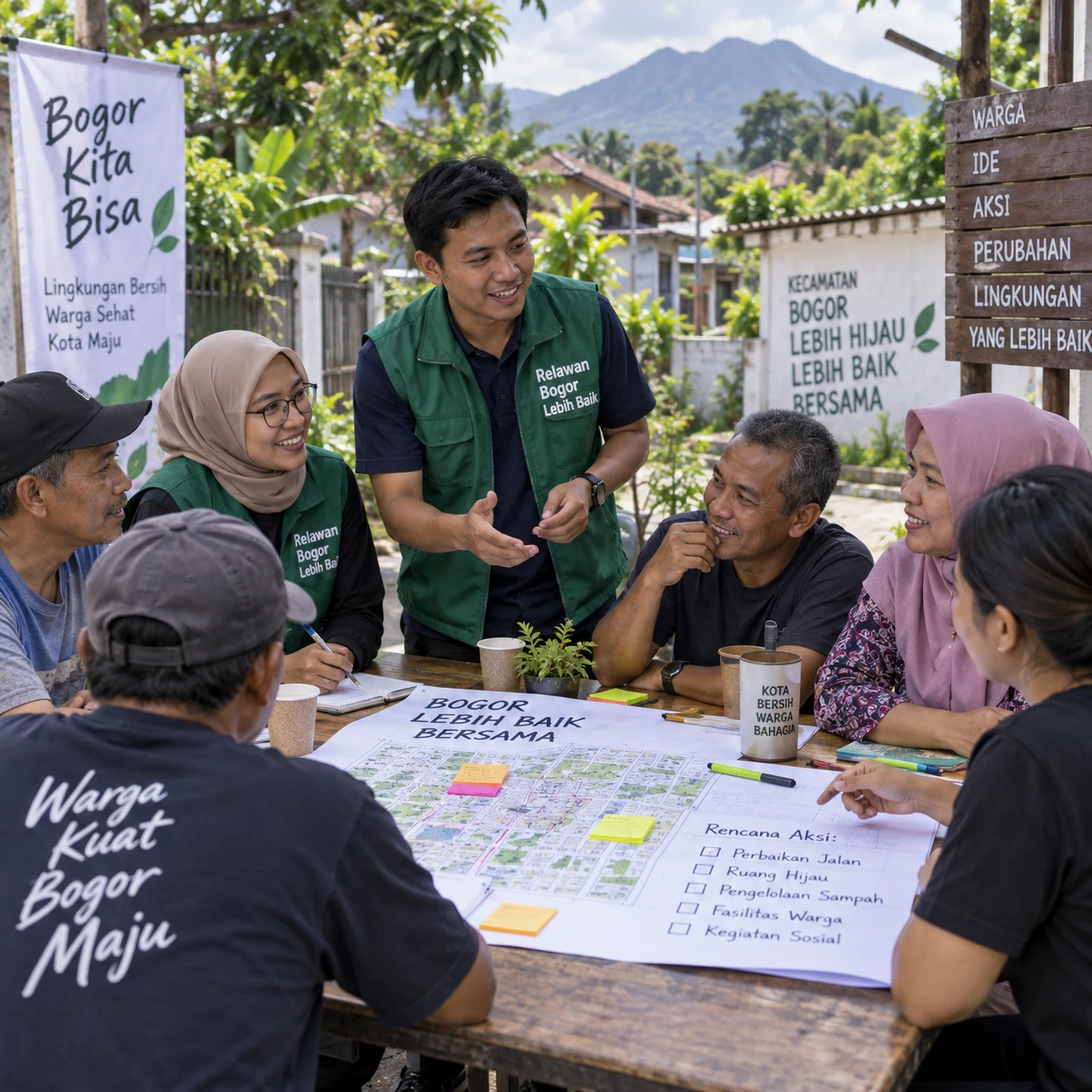
In Bogor, community leadership often takes shape close to home: in a neighborhood meeting, a volunteer network, a learning group, or a collective effort to improve shared spaces. The people doing this work may be well known locally or largely behind the scenes.
A useful profile of Bogor’s most influential community leaders should focus on what can be observed and verified: how leaders earn trust, connect residents with community organizations, and help sustain local initiatives. Rather than offer an unsupported ranking or invent biographies, this guide explains the roles and contributions through which leadership creates social impact.
What Makes a Community Leader Influential in Bogor?
A community leader in Bogor is influential when residents trust their judgment and their work helps people act on shared needs. Influence is best measured by sustained service, collaboration, and practical contribution, not by title or public visibility alone.
Some leaders are elected or appointed to formal neighborhood roles; others coordinate volunteers, support families, or bring residents together around a local concern. Their authority may come from experience, reliability, specialist knowledge, or a record of listening before proposing solutions. In each case, trust is built through consistent conduct, including keeping commitments and communicating honestly about what can and cannot be done.
Influence also has a collective dimension. A person may help residents identify a problem, find a community organization with relevant experience, and agree on a realistic next step. That work is valuable even when the leader does not personally deliver every service or receive public recognition.
For a fair profile, consider three questions: Does the leader respond to a clearly identified local need? Do they involve people affected by the issue? Can their contribution be confirmed through a group, project, or community account? These criteria distinguish meaningful civic engagement from claims based mainly on reputation.
The Community Organizations Behind Local Impact
Community organizations help Bogor’s leaders turn local concern into coordinated action by bringing people, knowledge, and resources together. They can provide a structure for volunteer networks, ongoing programs, and communication with residents and partners.
Organizations may work around education, social welfare, the environment, health, or neighborhood development. Their forms vary: a resident-led group, a nonprofit, a faith-based association, a youth organization, or an informal volunteer team. The right structure depends on the initiative. A short cleanup may need a small organizing group; a recurring education program needs dependable scheduling, safeguarding, and continuity.
Leaders often contribute by making connections: identifying residents who want to help, clarifying responsibilities, and finding partners with useful expertise or resources. The organization, in turn, can keep a project from depending on one person. Shared records, transparent decisions, and clear roles make it easier for others to contribute and for an initiative to continue when coordinators change.
Partnerships are not automatically effective. Organizations should explain how they use donations, ask residents what support is actually needed, and avoid promising outcomes beyond their capacity. Coordination creates impact when accountability grows alongside participation.
Key Areas Where Bogor’s Leaders Make a Difference
Bogor’s community leaders can contribute to education, welfare, environmental action, and neighborhood development. Which needs are most urgent varies by community, so local priorities should be established with residents rather than assumed.
- Education: Leaders may connect families with learning support, help organize tutoring or reading activities, or bring schools and volunteer groups into discussion. Programs should respond to learners’ needs and protect children’s safety and privacy.
- Social welfare: Community organizers can help residents find available assistance, coordinate practical support, or identify people who may be isolated. Sensitive information should be shared only with consent and handled discreetly.
- Environmental action: Residents may organize waste reduction, neighborhood cleanups, tree care, or public education. An event can draw attention to a concern, but lasting improvement usually requires regular participation and coordination with relevant local services.
- Neighborhood development: Local initiatives can focus on shared facilities, safer public spaces, or improving communication about community priorities. Inclusive planning helps ensure that decisions reflect more than the views of the most vocal participants.
These examples describe possible areas of work, not verified achievements by any particular Bogor leader. A sound profile names a project only when its existence, organizers, and contribution can be confirmed. It should also distinguish between activity and outcome: holding an event is easy to document; showing who benefited and what changed takes more care.
How Leaders Engage Residents and Build Collaboration
Community leaders build collaboration by listening to residents, agreeing on a shared priority, and making participation clear and practical. Regular communication helps turn one-time interest into sustained civic engagement.
A useful process starts with listening rather than announcing a finished plan. Leaders can hold a neighborhood discussion, speak with people who are directly affected, or collect feedback through a simple survey. They should then explain what the group heard, what it can address, and what needs a different partner or more time.
Next, organizers can break a broad concern into manageable roles. For a neighborhood environmental initiative, residents might identify a specific site, agree on a date, arrange tools, and decide who will follow up. A local organization can coordinate volunteers, while relevant partners may advise on safety, permissions, or ongoing maintenance.
Good collaboration also makes room for disagreement. Residents may have different schedules, priorities, or views about the best solution. A leader who records decisions, shares updates, and invites quieter participants helps prevent a small group from speaking for everyone. Participation should be accessible: offer more than one way to contribute, and avoid treating unpaid time as something every resident can freely give.
How to Discover and Support Community Initiatives
To find community initiatives in Bogor, start with trusted neighborhood contacts and local organizations, then verify a group’s purpose, activities, and expectations before volunteering or donating. A little checking helps direct support where it can be used responsibly.
- Ask neighbors, community representatives, schools, or local faith and youth groups which initiatives are active and who coordinates them.
- Check an organization’s public channels for recent activities, contact details, stated goals, and clear information about how donations are handled.
- Contact the organizer before attending. Ask what help is needed, where and when it is needed, and whether volunteers need particular skills or preparation.
- Choose a contribution that fits your capacity. This could mean giving time, sharing a verified announcement, lending relevant skills, or making a modest donation.
- Follow the group’s guidance on privacy, safety, and consent, especially when activities involve children or people seeking assistance.
Residents can also consult official local government channels for public information about services and community programs. Availability and contact routes change, so confirm details directly before making a trip or committing resources. If an initiative cannot explain who is responsible or how contributions will be used, ask questions before proceeding.
Support does not have to be financial. One reliable volunteer shift or a specific professional skill can be more useful than a donation an organization is not equipped to manage. The best contribution is one the group has requested and can put to use.
Recognizing Influence Beyond Public Visibility
Some of Bogor’s most influential community contributors may be everyday organizers whose work happens without media attention or formal recognition. Their impact can be seen in the relationships they maintain, the participation they make possible, and the continuity of local initiatives.
A visible spokesperson may help attract attention, while a volunteer who keeps records, checks in on residents, arranges transport, or welcomes new participants sustains the work. Both roles can matter. Looking only at public profiles risks overlooking people whose contributions are essential but difficult to summarize in a headline.
Recognizing grassroots leadership means asking who does the ongoing work and whose voices shape decisions. It also means respecting privacy: not every helpful person wants to be named, photographed, or presented as representative of an entire neighborhood. When writing about a specific leader, confirm their role with them and, where appropriate, with the organization or people involved.
A balanced profile of Bogor’s community leaders therefore focuses on contribution rather than celebrity. The clearest evidence of influence is often a community that can organize, share responsibility, and keep addressing its own priorities.
Frequently Asked Questions
What does a community leader do?
A community leader helps residents identify shared needs, organize participation, and connect with useful people or organizations. The role may be formal or informal and can include coordinating volunteers, communicating priorities, or supporting a local initiative.
How can I find community organizations in Bogor?
Ask trusted neighborhood contacts, schools, local associations, or community representatives for current referrals. Then check the organization’s recent activities, contact details, and expectations directly before volunteering or donating.
How can residents support local initiatives?
Residents can volunteer, share skills, provide requested supplies, or contribute funds when the group explains how donations are managed. Contact the organizer first so your support matches a real need.
What qualities help community leaders build trust?
Listening, reliability, transparent communication, respect for privacy, and willingness to share responsibility all help build trust. Leaders also earn confidence by being clear about limits and following through on commitments.